


Analysis of Centrifuge Core Functions and Their Multi-Domain Applications


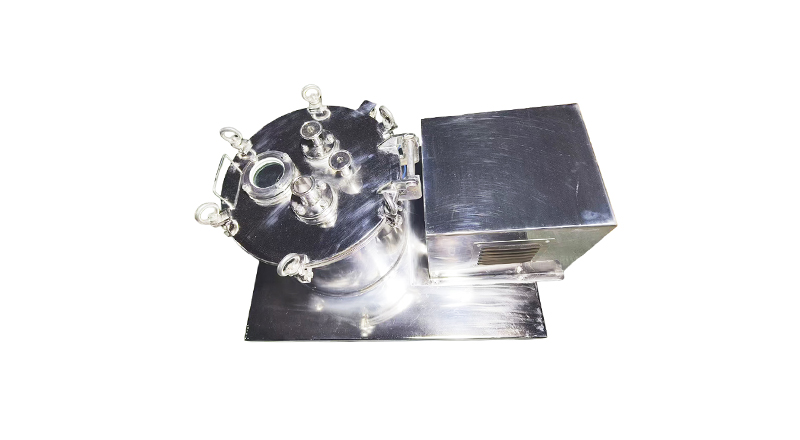
Centrifuges utilize high-speed rotation to generate centrifugal force, enabling efficient separation and concentration of solid-liquid and liquid-liquid mixtures. Their core functions include:
1. Solid-Liquid Separation
Industrial Applications: Used in chemical and pharmaceutical industries to separate solids from suspensions. For example, in antibiotic production, centrifuges separate bacterial cells from liquid culture media for further processing or antibiotic extraction.
Environmental Protection: In wastewater treatment, centrifuges remove water from sludge, reducing its volume for easier disposal and transportation.
2. Liquid-Liquid Separation
Biomedical Applications: Separate blood components (e.g., plasma, red blood cells, white blood cells) based on density differences for clinical diagnosis and treatment. For instance, purified red blood cells or plasma are isolated for transfusion therapy.
Food and Beverage Industry: Separate emulsions, such as separating oil, water, and impurities in crude vegetable oil during refining to improve purity and quality.
3. Sample Concentration
Biochemical Experiments: Concentrate dilute solutions containing target biomolecules (e.g., proteins, nucleic acids). High-speed rotation precipitates target molecules at the bottom of the tube, allowing supernatant removal for sample concentration. For example, protein solutions are concentrated for further purification and analysis.
Environmental Monitoring: Enrich trace pollutants in water samples by concentrating them onto specific adsorbents or carriers, enhancing detection sensitivity and accuracy.
4. Particle Size Analysis
Materials Science: Determine particle size distribution by measuring sedimentation speed in a centrifugal force field. For example, study nanoparticle size and distribution in nanomaterial research to inform material preparation and performance.
Soil Science: Analyze soil samples to understand particle size distribution, evaluating soil texture, porosity, and other physical properties for soil fertility assessment and agricultural production.
5. Cell Collection and Culturing
Cell Biology: Collect cells during culturing processes. For large-scale production of biologics (e.g., vaccines, monoclonal antibodies), centrifuges separate cells from culture media for subsequent cell disruption and product extraction.
Stem Cell Research: Isolate stem cells from mixed cell populations for purification, providing a pure cell source for research and applications.
Centrifuges are mechanical devices that use centrifugal force to separate components in mixtures of liquids and solid particles or liquids and liquids, offering a wide range of functionalities across various fields.

RELATED NEWS
-
 Analysis of Centrifuge Core Functions and Their Multi-Domain Applications
 -
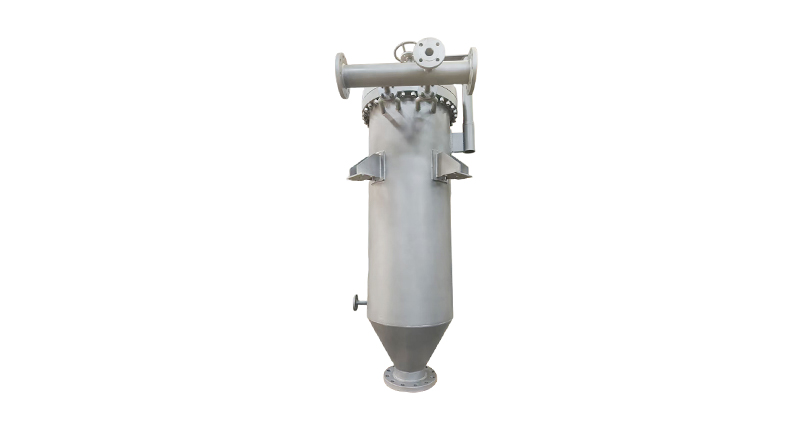 In high-demand industries such as pharmaceuticals, chemicals, and food, the efficiency and reliability of solid-liquid separation directly determine production success. Fully automatic candle filters have become the preferred filtration solution for many enterprises due to their unique structural de
 -
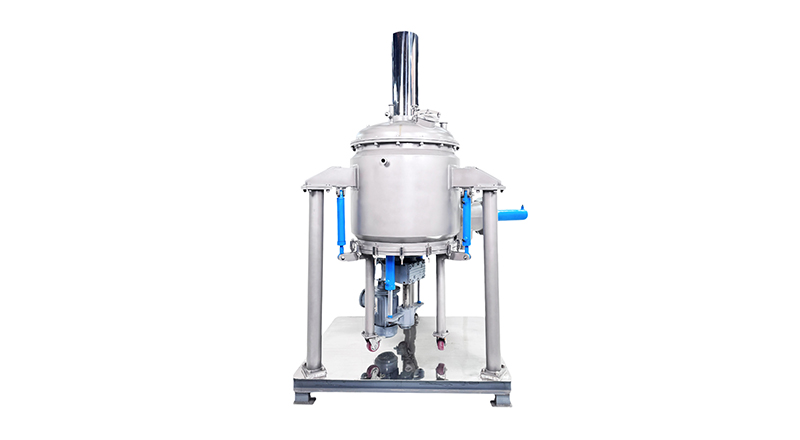 Jiangsu Xinghua Pharmaceutical Equipment Manufacturing Co., Ltd. Provides Efficient Filtration Solutions In high-standard industries such as pharmaceuticals, chemicals, and food production, the filtration process directly impacts product quality, efficiency, and cost control. With years of technol


